Software
QUILT2
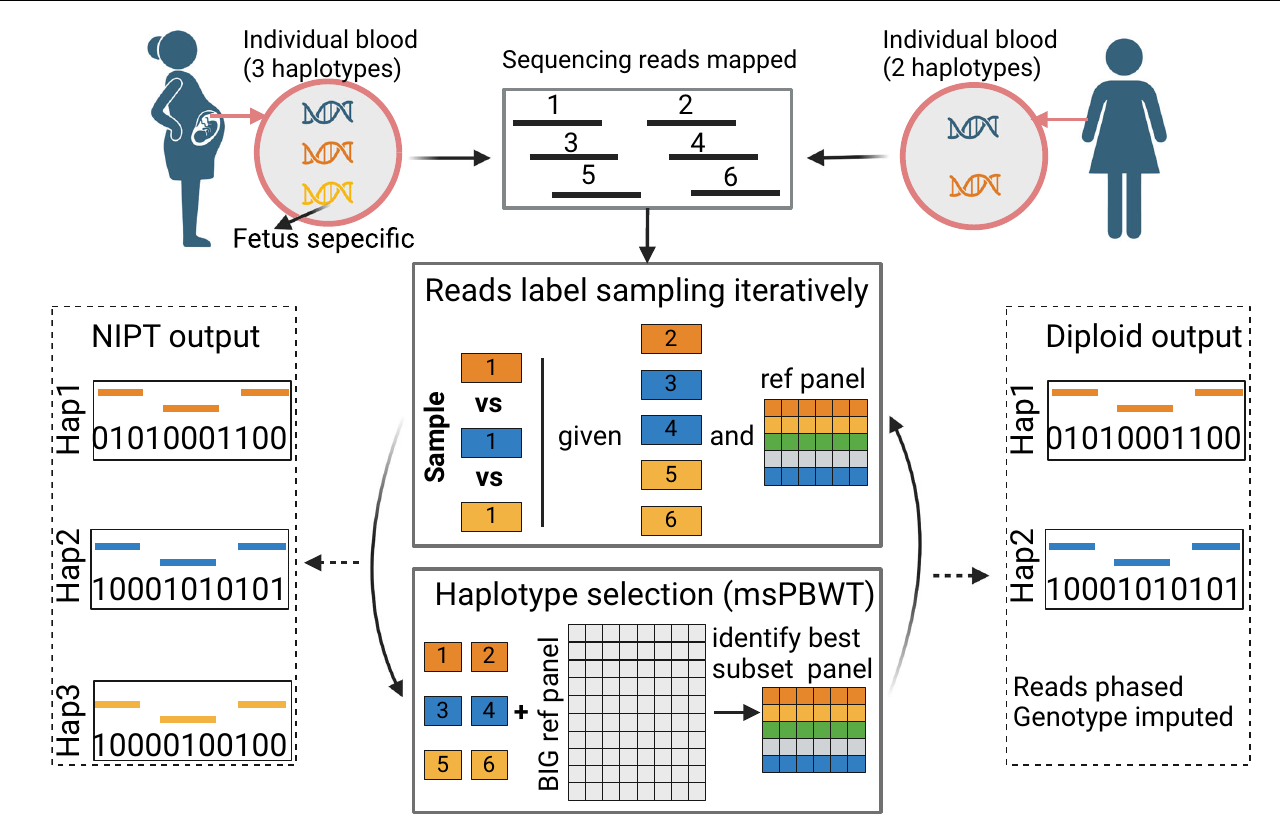
QUILT2 is a scalable, read-aware genotype imputation method that uses biobank-scale reference panels. It accurately imputes genotypes from short reads, long reads, linked reads and ancient DNA, and introduces a mode for jointly imputing maternal and fetal genomes from non-invasive prenatal testing data.
Li, Z.; Albrechtsen, A.; Davies, R.W.
SVUPP
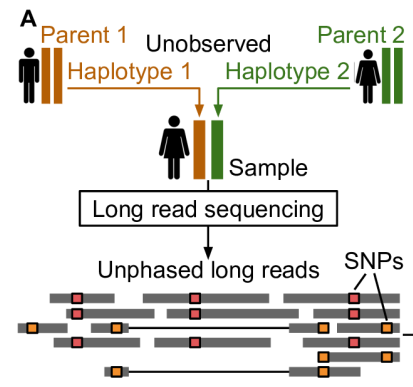
SVUPP achieved higher accuracy than cuteSV2, Sniffles2 and kanpig with both long and ultra long Oxford Nanopore Technologies (ONT) data as well as Pacific Biosciences (PacBio) HiFi data for genotyping SVs without close neighbor SVs.
Li, Z.📨, Stæger, F.F., Davies, R.W., Moltke, I.📨, & Albrechtsen, A📨.
PCAone
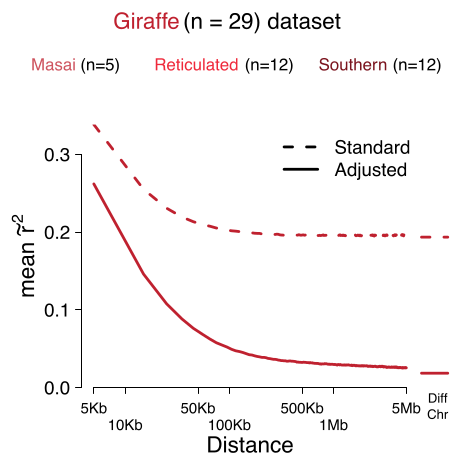
We show that population structure affect LD, pruning and clumping. We derive at new measure of LD that is corrected for population structure and admixture which improved downstream analysis
Ulises Bercovich, Malthe Sebro Rasmussen, Zilong Li, Carsten Wiuf, Anders Albrechtsen
APOH
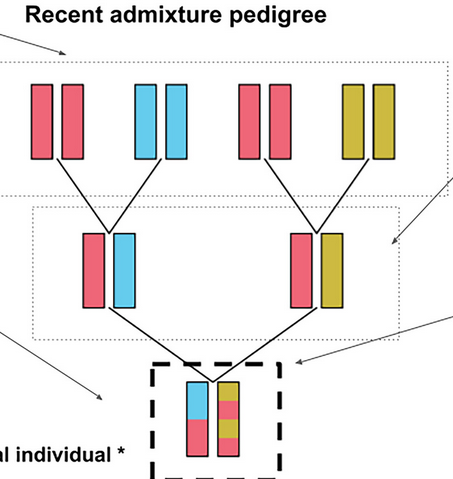
How to infer the ancestry of an admixed individuals pedigree.
Genís Garcia-Erill📨, Kristian Hanghøj, Rasmus Heller, Carsten Wiuf, Anders Albrechtsen
evalPCA
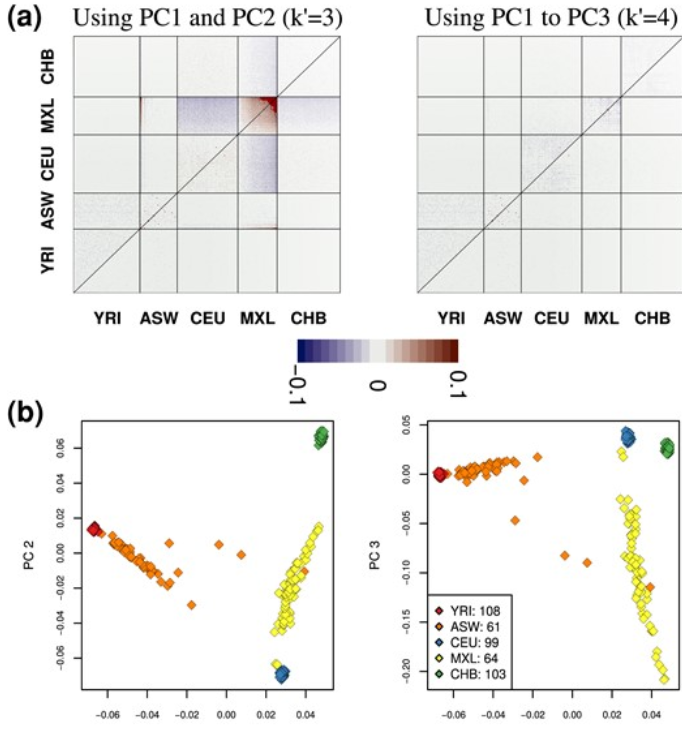
When do distances in a PCA reflex genetic ancestry? if two individuals cluster togeather does that mean they are some the same populations? Here we present a method that you can use to interpret you genetic PCA plot.
Jan van Waaij* 📨, Song Li* , Genís Garcia-Erill* , Anders Albrechtsen, Carsten Wiuf📨;
PCAone
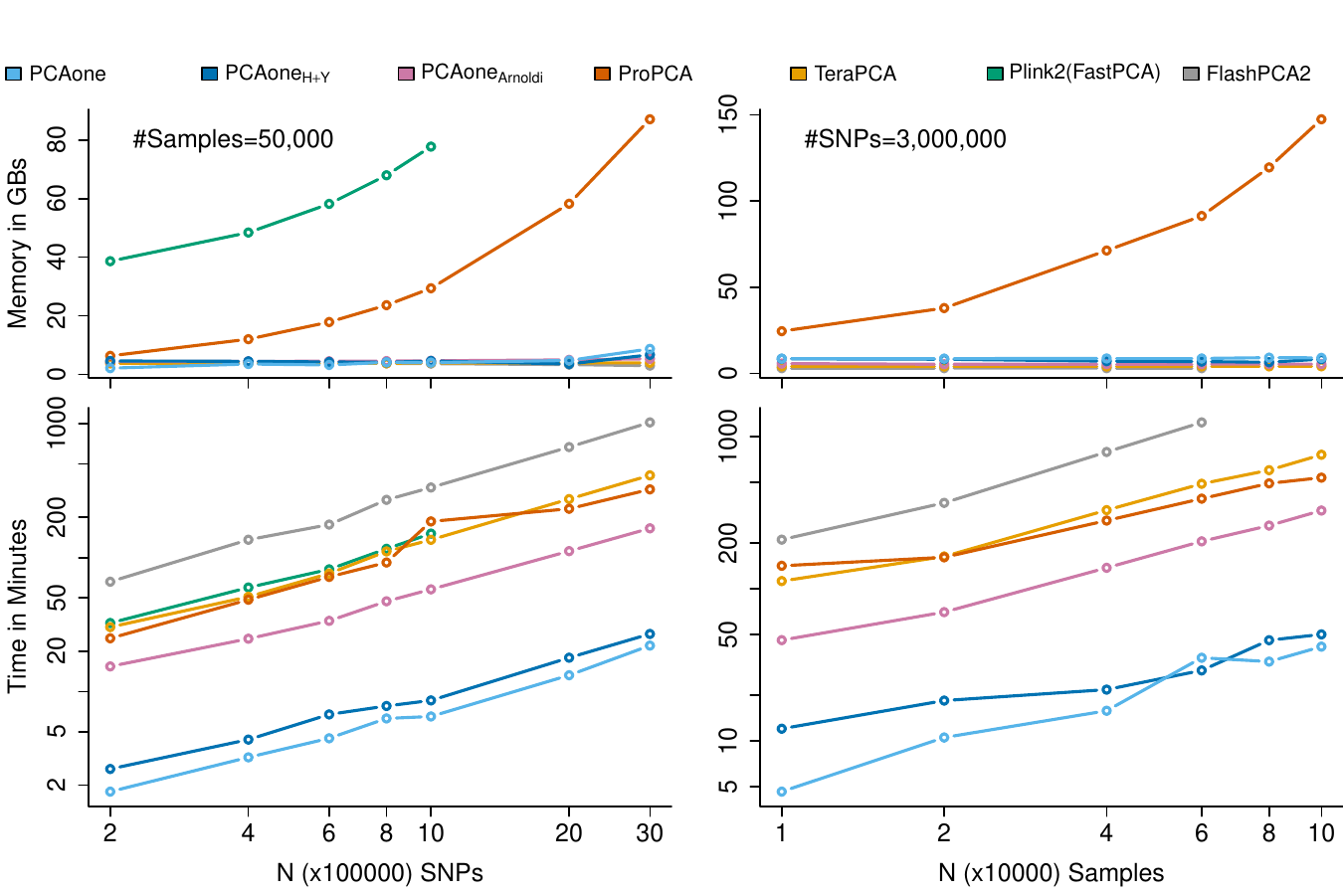
A method for accurate PCA for large scale genetic data. Analyse millions of sites for all 500000 individuals in UKbiobank on your labtop
Zilong Li📨, Jonas Meisner, Anders Albrechtsen📨
HaploNet
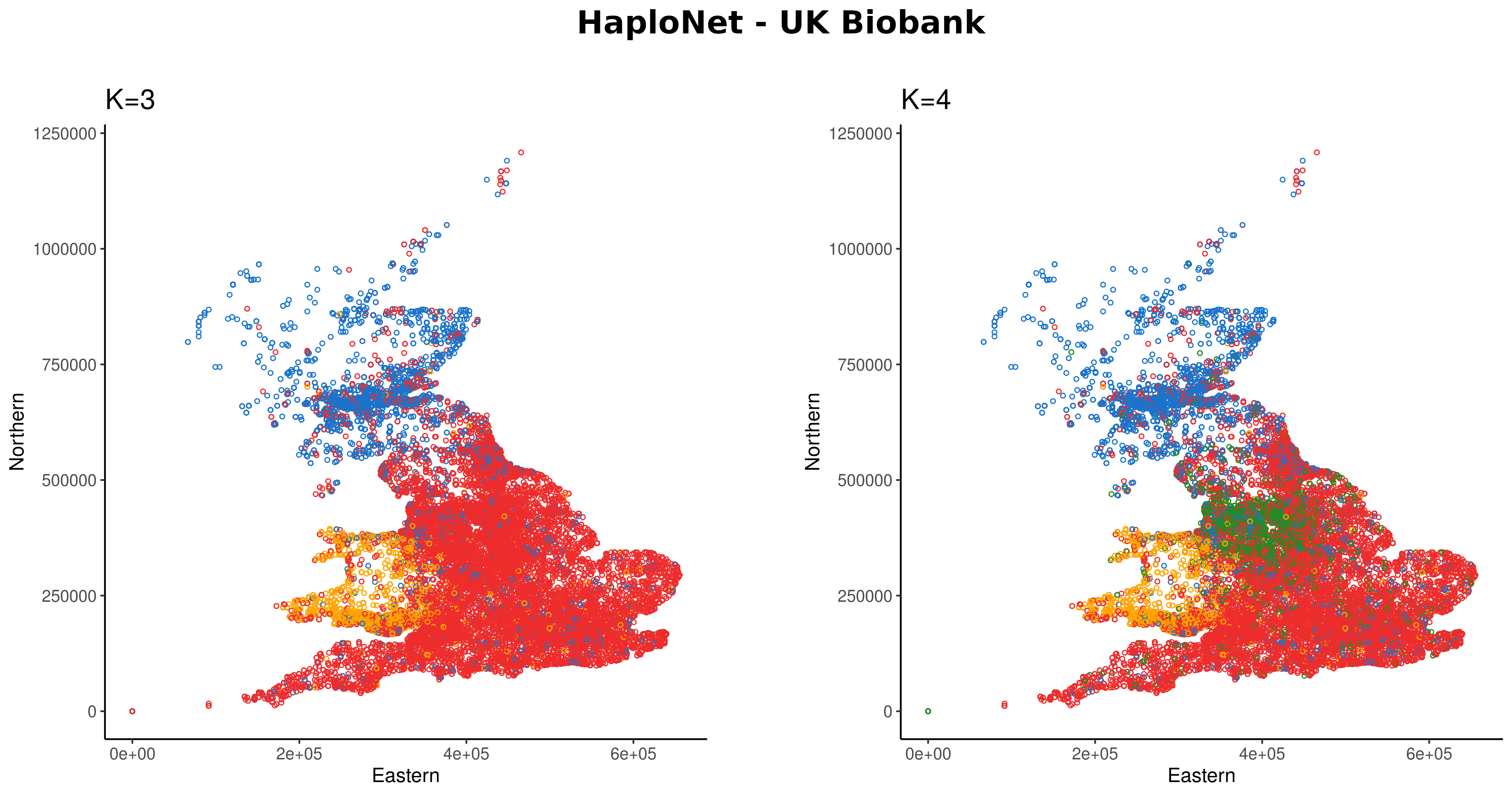
Using sequencing data from simulations and closely related human populations, we show that our approach is better at distinguishing closely related populations than standard admixture and principal component analysis software. We further show that HaploNet is fast and highly scalable by applying it to genotype array data of the UK Biobank. U
Jonas Meisner📨, Anders Albrechtsen
SATC
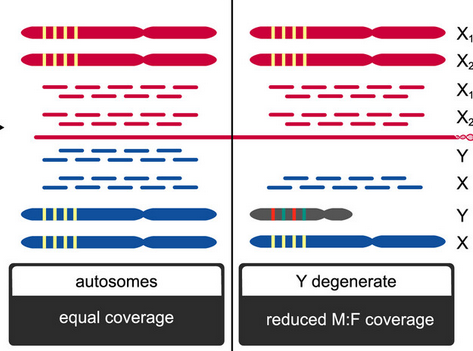
Framework for joint determination of individual sex and sex-linked scaffolds for non-model organism based on depth of coverage
Nursyifa C.* ; Brüniche-Olsen A.* ; Garcia-Erill G.; Heller R.📨; Albrechtsen A.📨
winSFS
Inference of the site frequency spectrum (SFS) from low-depth sequencing data.
Rasmussen M.S.; Garcia-Erill G.; Korneliussen T.S.; Wiuf C.; Albrechtsen A.
EMU
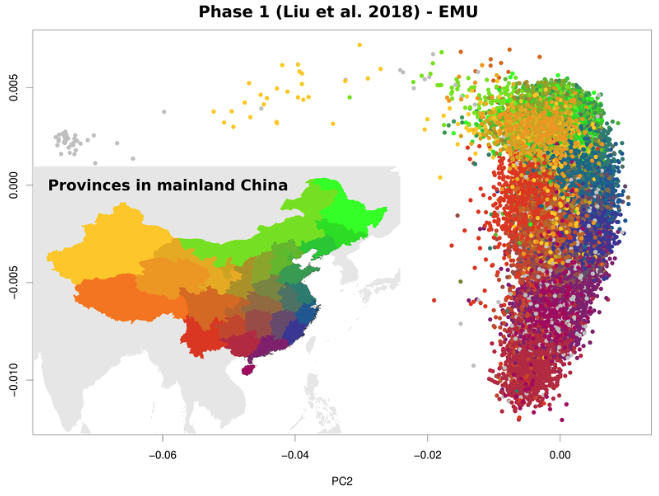
PCA with rampant missingness including having samples with non overlapping data
Meisner J.; Liu S.; Huang M.; Albrechtsen A.
NGSremix
Estimating relatedness coefficients for admixture samples with low depth sequencing. Also works for F1 and other recently admixed indivudals.
Nøhr A.K.; Hanghøj K.; Garcia-Erill G.; Li Z.; Moltke I.; Albrechtsen A.
evalAdmix
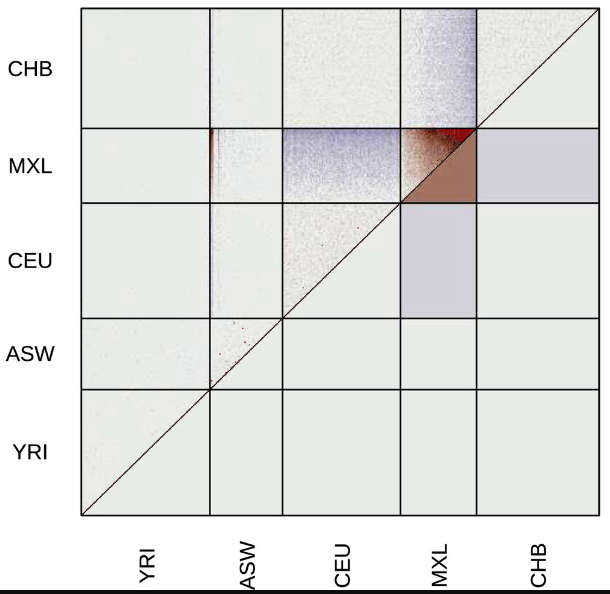
Evaluation your estimated admixture proportions. When running ADMIXTURE or NGSadmix you can evaluate the results.
Garcia-Erill G.; Albrechtsen A.
ASAmap
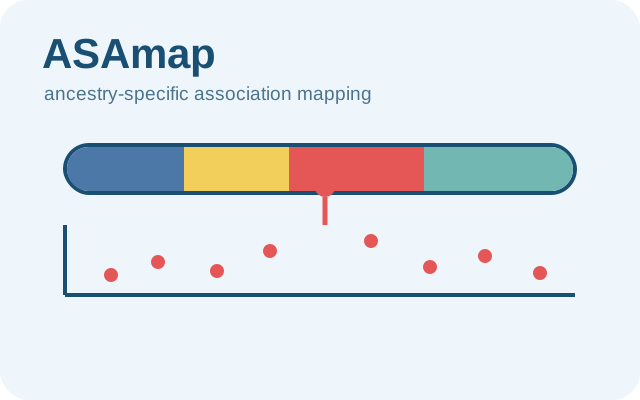
Genetic association of ancestry specific effects when you do not have information about local ancestry.
Skotte L.; Jørsboe E.; Korneliussen T.S.; Moltke I.; Albrechtsen A.
IBSrelate
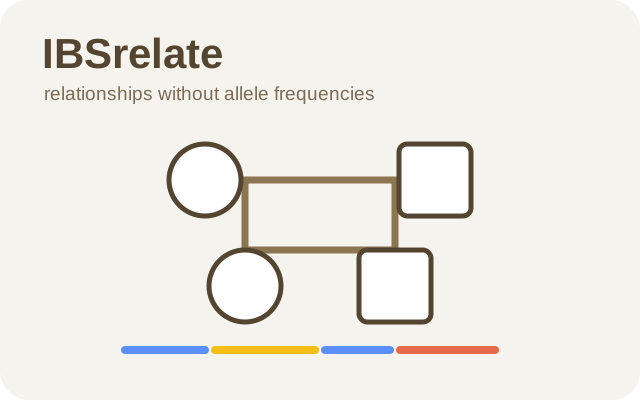
KING, RO, R1, statistics for relatedness based only two individuals. No reference panel or allele frequencies needed
Waples R.K.; Albrechtsen A.; Moltke I.
PCAngsd
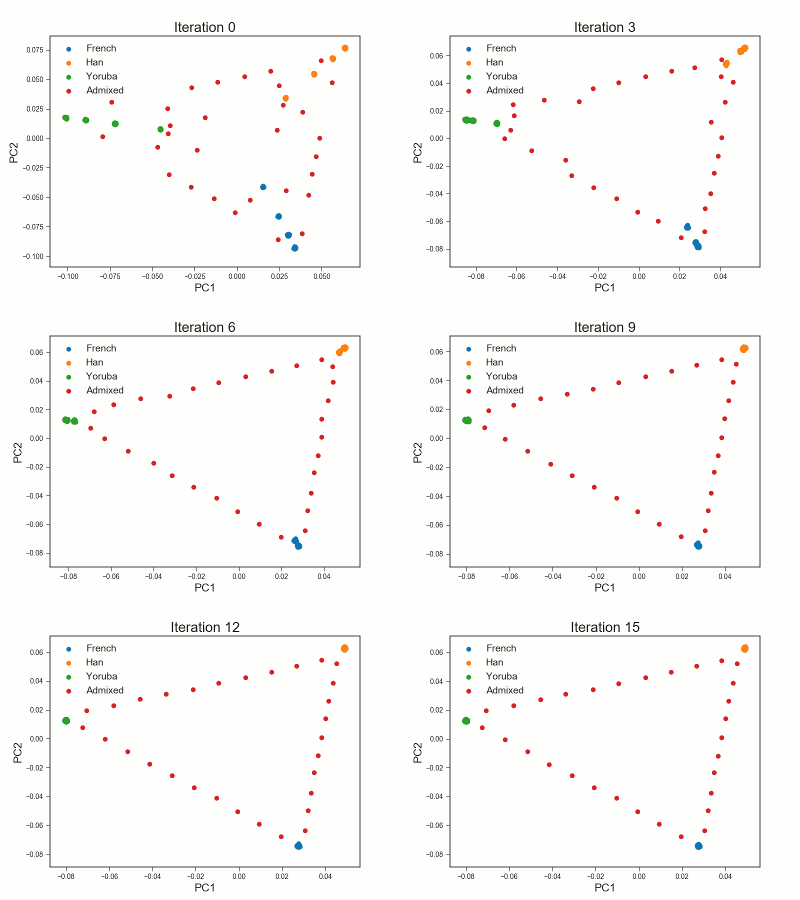
PCAngsd: PCA, admixture proportions, HWE or selection scans from low depth sequencings data while accomidating population structure
Meisner J.; Albrechtsen A.
fastNGSadmix
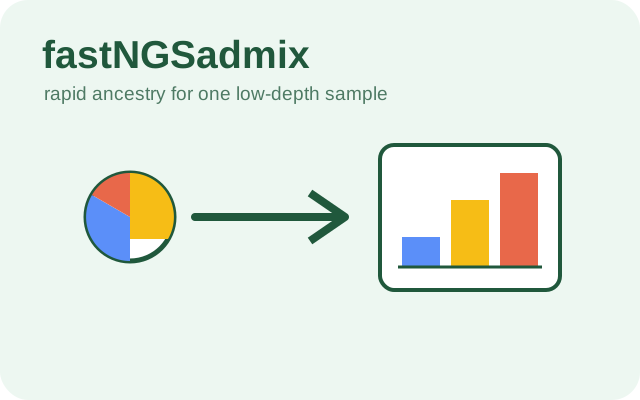
Estimates ancestry proportions and principal components for a single low-depth sequencing sample using reference population data.
Jørsboe E.; Hanghøj K.; Albrechtsen A.
ANGSD
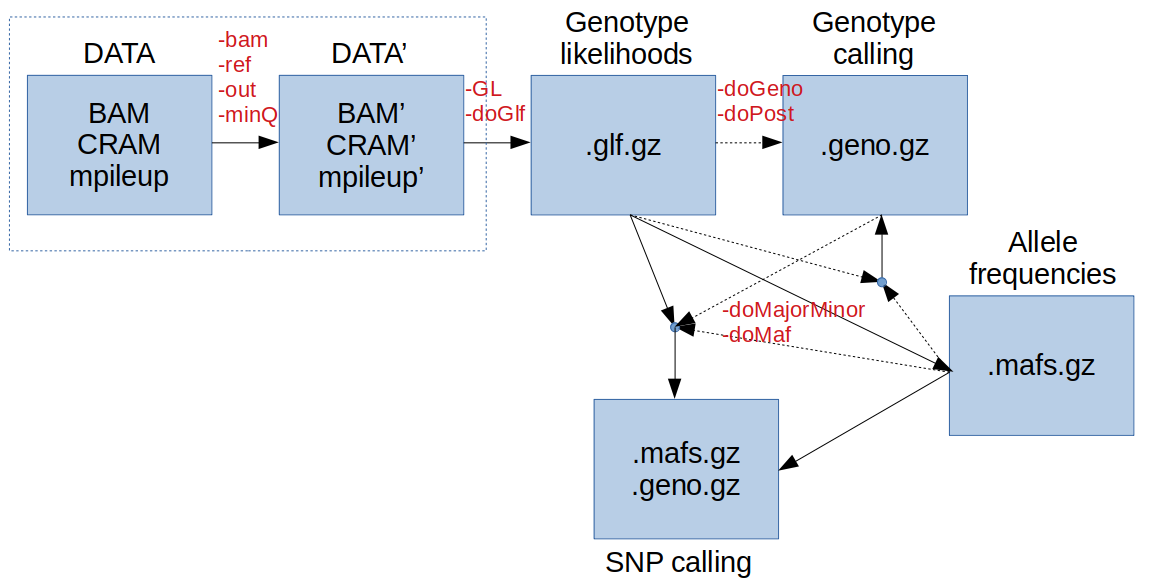
Image: ANGSD workflow from the NGS inference tutorial, MIT License.
Software for population genetic and medical genetic analysis of low depth sequencing data.
Korneliussen T.S.; Albrechtsen A.; Nielsen R.
relateAdmix
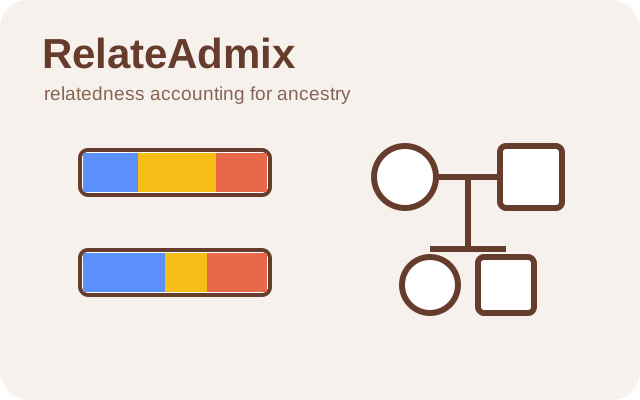
Estimates pairwise relatedness between admixed individuals while accounting for population ancestry.
Moltke I.; Albrechtsen A.
NGSadmix
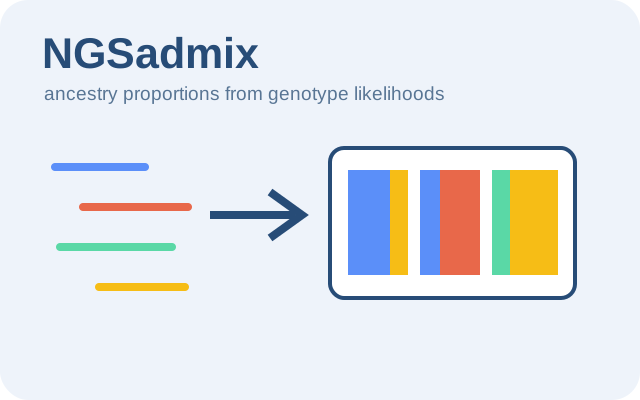
NGSadmix estimates individual ancestry proportions directly from genotype likelihoods in low-depth sequencing data.
Skotte L.; Korneliussen T.S.; Albrechtsen A.
relate
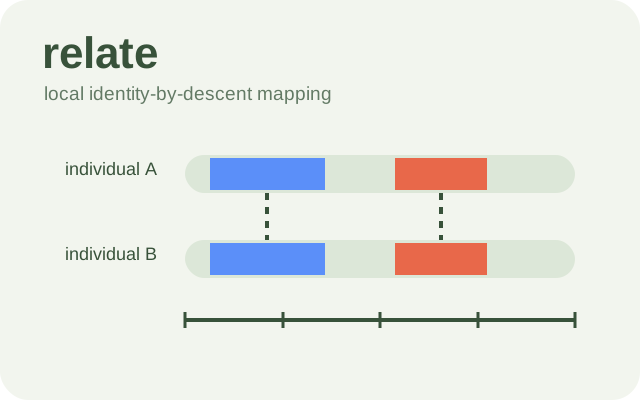
Relate identifies local identity-by-descent tracts while accounting for linkage disequilibrium in genome-wide data.
Albrechtsen A.; Korneliussen T.S.; Moltke I.; van Overseem Hansen T.; Nielsen F.C.; Nielsen R.