Course: Introduction to wildlife genomics

General info
Date: August 12-23, 2024
Place: Pwani University, Kilifi, Kenya
Organized by: Pwani University, University of Copenhagen, the African BioGenome Project.
Price: Free
Includes: All teaching, breakfast and lunch on course days. Accommodation is NOT included.
Sign up: apply here
Contact: For questions write to s.wambua@pu.ac.ke or anubhabkhan@gmail.com
Content
The course is a comprehensive introduction to population genetics and the use of genomics tools especially in the context of wildlife research and conservation. All sessions will have hands-on data analysis. Topics: fundamental population genetics, Next-generation sequencing, genomic data analysis, application of genomics to wildlife census, trafficking and population management
Intended Learning Outcome
- Importance of population genetics and genomics in wildlife conservation and management
- Understand what NGS short-read data looks like when it comes from the sequencer, and have an overview of what needs to be done to it before population genetic analyses can be done.
- Understand various measures of genetic diversity, inbreeding, population structure, relatedness
- Estimate demographic history and its consequnces for population survival or extinction
- Application of genomics in wildlife management
- Metagenomes and their analysis
Instructors
Anubhab Khan
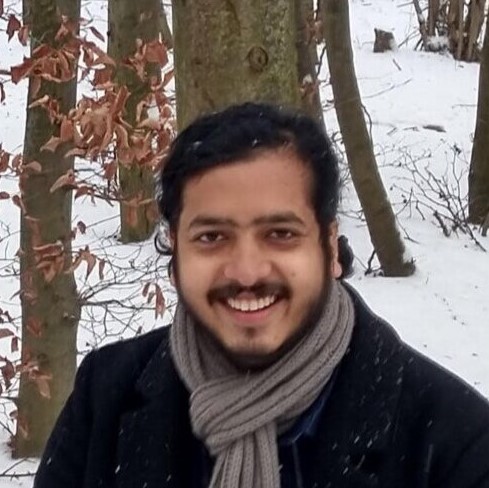
I am interested in understanding how small isolated population survive or go extinct. I have been studying tropical wildlife and developing next-generation sequencing based tools and techniques for research and conservation of wildlife. website
Sammy Wambua
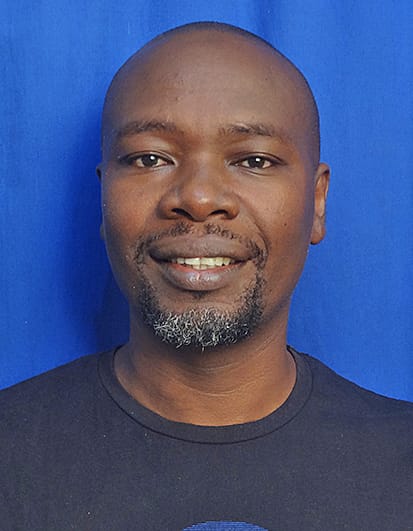
I have employed molecular biology in biomedical research for over 20 years. I have recently switched to utilizing genomics to explore and protect tropical species of conservation concern. Ongoing research work includes sea turtle immunogenetics, microbiome analysis for key marine ecosystems (including coral, seagrass and mangroves), and baseline genetic population structures for white teat sea cucumber, cichlids, corals, and the African elephant. website
Rasmus Heller

I have worked on African wildlife genetics for almost two decades. My interests range from practical conservation to understanding theoretical evolutionary questions, such as how new species are formed and maintained and how animal populations move around in response to climate change and human influence. website
Time and place
The course will take place from Monday August 12th to Friday August 23rd 2024 at Pwani University, Kilifi, Kenya [add full address]. All lectures and computer exercises will take place in room xxx. This includes research talks. You are required to bring a laptop to the course.
Program (preliminary)
Day1 (12th August, 2024)
- Theory: Introduction to population genetics, conservation genetics, evolution and genomics.
  What information is provided by DNA? NGS vs Sanger sequencing
- Practicals: Basic linux1. How to get help?
Day2 (13th August, 2024)
- Theory: how to design your wildlife genomics project?
- Practicals: Basic linux2. Accessing freely available data for research
Day3 (14th August, 2024)
- Theory: Sequencing platforms and how they work? What data type do you need?
- Practicals: Visualizing sequencing outputs. First steps after obtaining data: trimming and mapping raw data
Day4 (15th August, 2024)
- Theory:
- Practicals: mapping, SNP calling, SNP filtering step1
Day5 (16th August, 2024)
 - Theory: Hardy Weinberg equilibrium, genetic diversity, various measures of diversity and relevance
   for wildlife
 - Practicals: SNP filtering step2, Measuring genetic diversity: heterozygosity, PI and allelic
   richness. Exploring effects of sample size
Day6 (19th August, 2024)
 - Theory: Population structure, relatedness, inbreeding
 - Practicals: PCA, admixture, relatedness and inbreeding
Day7 (20th August, 2024)
- Theory: Demographic history, why is it important? How to estimate it?
- Practicals: PSMC, GONE
Day8 (21st August, 2024)
- Theory: selection/load. How to measure it?
- Practicals: Identifying deleterious alleles and signatures of selection
Day9 (22nd August, 2024)
- Theory: Shades and hues of metagenomics
- Practicals: DADA2
Day10 (23rd August, 2024)
- Theory: Practical considerations for metagenomic experiments
- Practicals: Lab demo and DADA2