Conservation genomics workshop 2026

Registration
Invitation emails and notifications of being on the waiting list have now been sent to applicants
General information
Dates: August 19-23, 2026
Venue: Mpala Research Centre, Laikipia, Kenya
Participants: Approximately 25 students from Kenya and other African countries
Format: On-site lectures with hands-on exercises run on a server in Copenhagen
Context: The workshop is connected with the annual African BioGenome Project (AfricaBP) Open Institute Eastern Africa Regional Workshop in Nairobi on August 17-18, 2026.
Registration: Registration information will be provided through the African BioGenome Project.
What will be supplied: Simple dorm-style accommodation, all meals during the workshop and transport pick-up Nanyuki-Mpala (on August 18 and back 23) will be provided at no cost to workshop participants.
Prerequisites: Participants are expected to have some previous exposure to and experience with genetics, preferably with population genetics. Experience with NGS data, genomics, statistics and/or programming is considered an advantage, but not an absolute requirement. Participants must bring a laptop that can access the internet (wifi is available).
The workshop is a comprehensive, hands-on introduction to population genomic analyses of next-generation sequencing data, with an emphasis on wildlife conservation. Lectures will be combined with practical computer exercises, discussions, and research talks presenting conservation genomics case studies.
Topics
- Introduction to conservation genetics and next-generation sequencing data
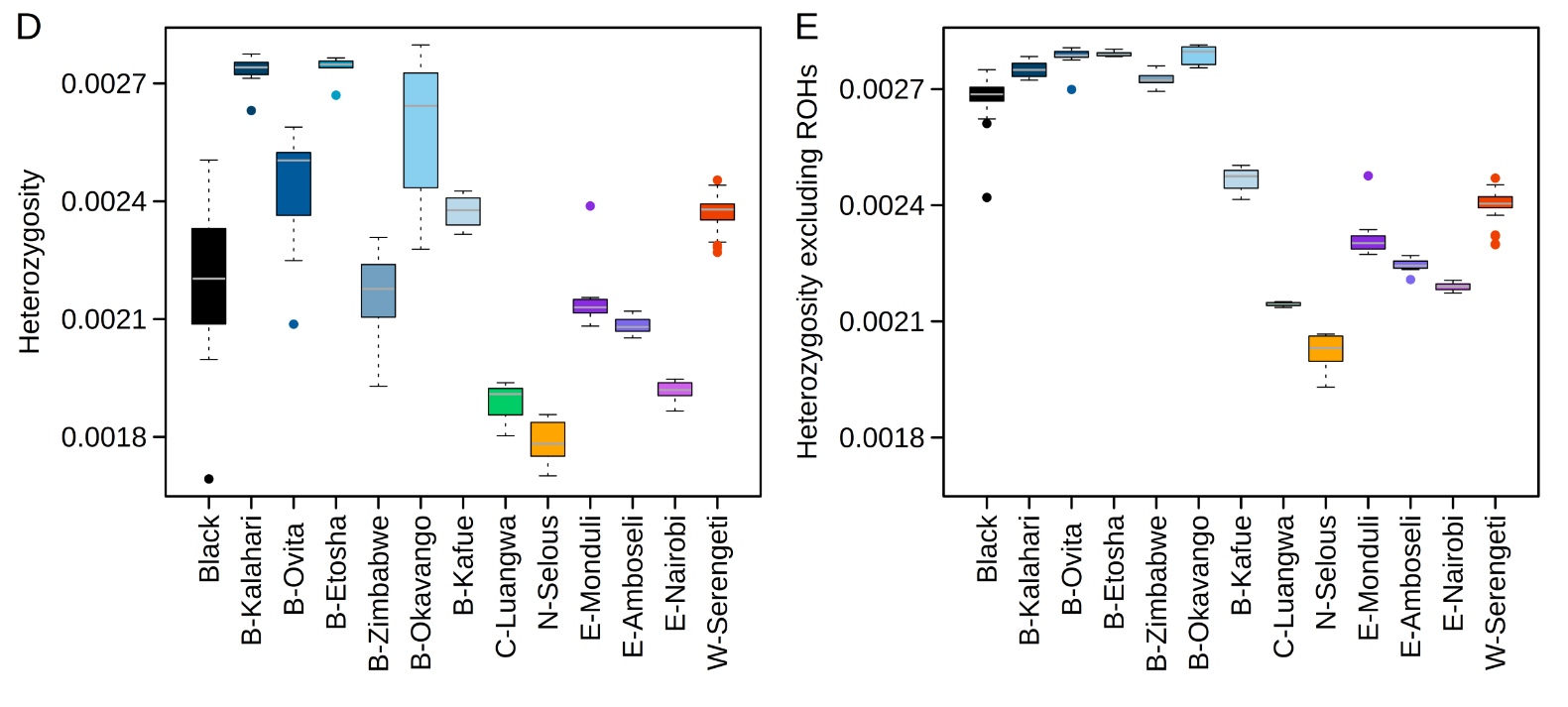
- Genetic diversity, heterozygosity, FST, and runs of homozygosity
- Selection and genome scans
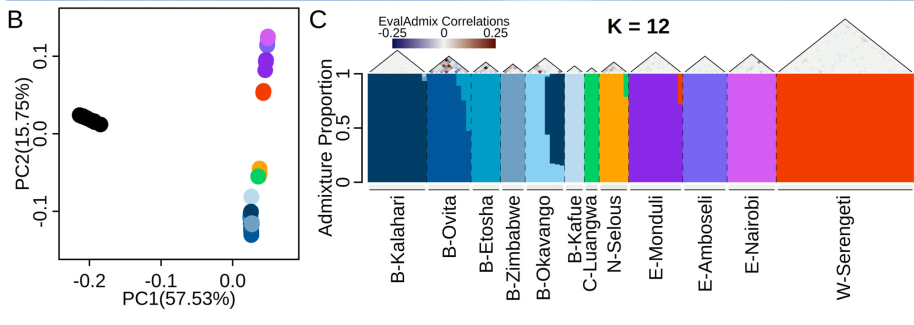
- Population structure and admixture
- Gene flow, D-statistics
- Demographic inference, the site frequency spectrum
- Applying conservation genomics in practice
Intended learning outcomes
After the workshop, participants should be able to:
- Describe how short-read NGS data are processed before population genomic analyses.
- Estimate and interpret genome-wide heterozygosity, FST, runs of homozygosity, and inbreeding coefficients.
- Use PCA and admixture analyses to investigate population structure.
- Understand approaches for studying gene flow, selection, and demographic history.
- Relate population genomic results to conservation units and management decisions.
Instructors
Rasmus Heller

Instructor in conservation genetics, genetic diversity, population structure, and conservation genomics. Website
Anders Albrechtsen

Instructor in next-generation sequencing data, population genomic methods, and demographic inference. Website
Ida Moltke
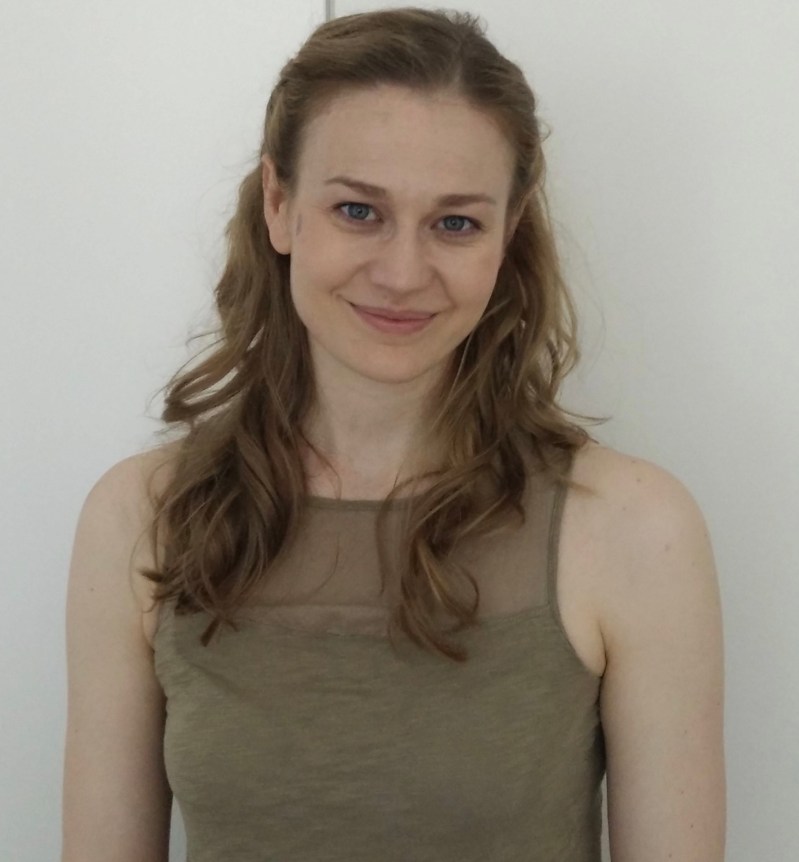
Develops and applies statistical and computational methods to population and medical genomic data. Website
Nuno Martins
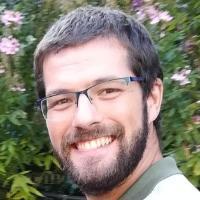
Joined Ida Moltke’s lab in January 2025 after completing his PhD at the Globe Institute. His research focuses on population genomics of Greenlandic mammals. Website
Harvinder Kaur Pawar
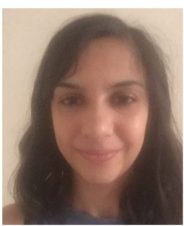
Joined Ida Moltke’s lab in April 2025 after completing her PhD in Barcelona. Her research focuses on population genomics of Greenlandic mammals. Website
Thomas Bøggild
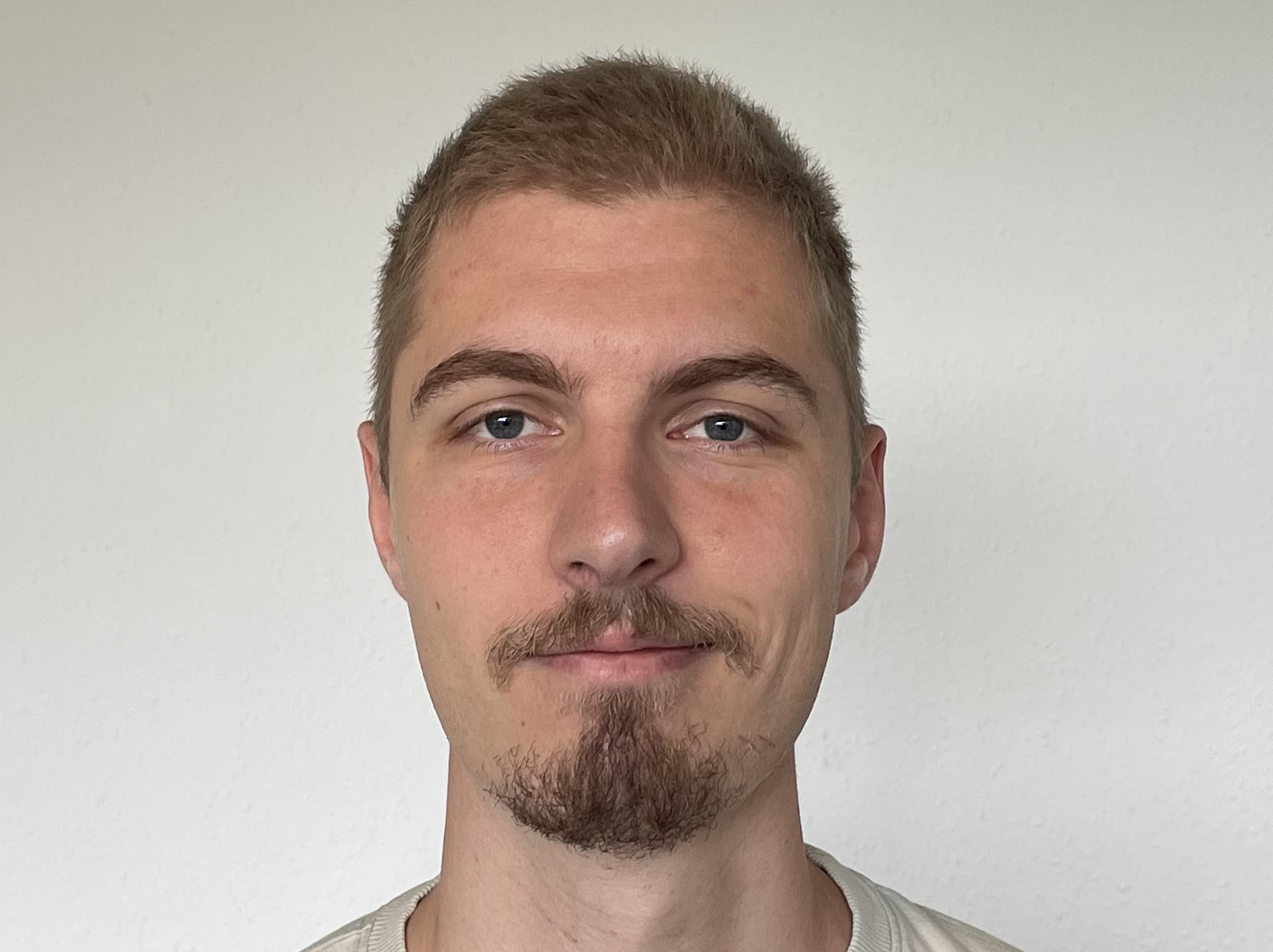
PhD student in the groups of Rasmus Heller and Anders Albrechtsen. He is a workshop instructor and practical-session facilitator.
Venue and practical information
Mpala Research Centre is in the Laikipia ecosystem, approximately four hours by road from Nairobi. The centre hosts Kenyan and international researchers and students and provides facilities for field biology and molecular research. The surrounding conservancy has a rich diversity of wildlife, with approximately 100 recorded mammal species. More information about the research centre, conservancy, and accommodation is available from Mpala.
Participants must bring a laptop. The practical exercises will use a remote server, so laptops with any major operating system can be used.
Daily schedule
- 09:00-12:00: Morning lecture and practical
- 12:00-13:00: Lunch
- 13:00-16:00: Afternoon lecture and practical
- 16:00-18:00: Seminar or short field trip
- 16:00-18:00: Field trip, seminar, or other activity
- 18:00-19:00: Dinner
Program
Wednesday, August 19
- Morning:
- Introduction to conservation genetics
- Introduction to linux/bash and Jupyter notebooks
- Introduction to conservation genetics
- Afternoon:
- Introduction to NGS data
Thursday, August 20
- Morning:
- Demographic inference, coalescence, SFS
- Afternoon:
- Research talks
- Excursion
Friday, August 21
- Morning:
- Admixture
- Afternoon:
- PCA
- Gene flow
Saturday, August 22
- Morning:
- Relatedness
- FST
- Afternoon:
- Positive selection
- Genome scans
Sunday, August 23
- Morning:
- Heterozygosity
- Runs of homozygosity
- Afternoon:
- Conservation genomics in practice